

AIIMS 2019 Chemistry Electrophilic Aromatic Substitution MCQ Question
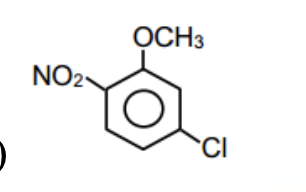
Correct Answer
Detailed Explanation
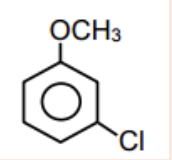
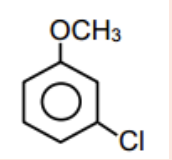
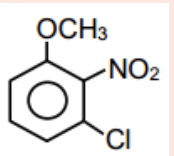
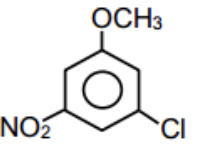
In the reaction of 1-chloro-3-methoxybenzene with nitric acid (HNO₃) and sulfuric acid (H₂SO₄), the nitro group (−NO₂) is introduced at the para position due to the electron-donating effect of the methoxy group (−OCH₃), which activates the aromatic ring towards electrophilic substitution. The steric hindrance at the ortho position, caused by the presence of the bulky chloro group (−Cl), prevents the nitro group from attaching there, favoring the para substitution instead. Other options are not applicable as they do not provide relevant information or alternative answers to this specific reaction scenario.
Found an issue with this question?
Related Questions
More from Organic Chemistry
CH₃OC₂H₅ and (CH₃)₃C – OCH₃ are treated with concentrated acidic iodide. The fragments after reactions obtained are
Arrange the following alkyl halides in decreasing order of the rate of β-elimination reaction with alcoholic KOH.
What happens when a carboxylic acid is treated with lithium aluminium hydride?