

AIIMS 2019 Physics Moment of Inertia MCQ Question
Given , , .
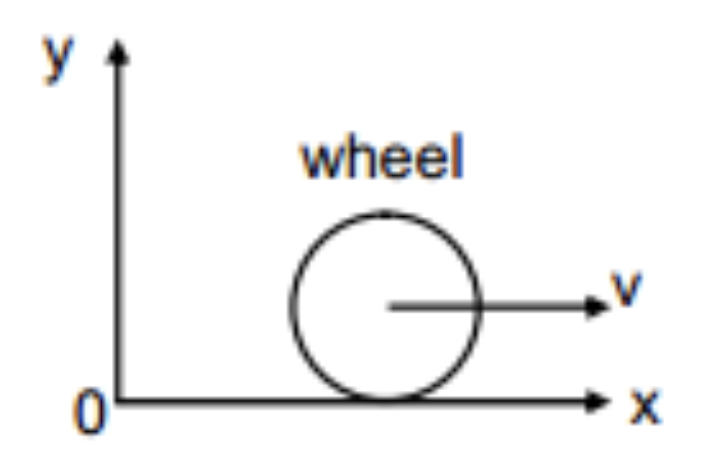
(A ring is shown in the x-y plane, rolling on the positive x-axis. Its center of mass is moving with velocity in the positive x-direction.)
Find angular momentum of ring about origin if it is in pure rolling.
Correct Answer
Detailed Explanation
Option A is correct because the calculation of angular momentum about the origin incorporates both the moment of inertia and the translational motion of the center of mass, leading to the expression . In this case, substituting the given values yields . Other options are not applicable as they do not provide relevant calculations or results related to the problem, focusing instead on alternative interpretations or incorrect values. Understanding the components of angular momentum, including both rotational and translational aspects, is crucial in solving problems involving rigid body dynamics.
Found an issue with this question?