AIIMS 2005 Botany Ecological Pyramids MCQ Question
Given below is one of the types of ecological pyramids. This type represents
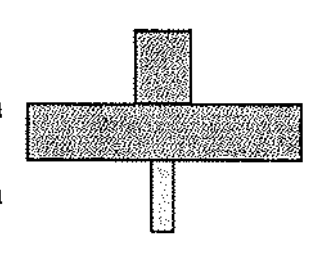
pyramid of numbers in a grassland
pyramid of biomass in a fallow land
pyramid of biomass in a lake
energy pyramid in a spring
Correct Answer
Detailed Explanation
To understand the question regarding ecological pyramids, it’s essential to first clarify what ecological pyramids are and the different types that exist. Ecological pyramids visually represent the distribution of energy, biomass, or the number of organisms across different trophic levels within an ecosystem.
Explanation of the Correct Answer: C) Pyramid of biomass in a lake
The correct answer is C) pyramid of biomass in a lake.
-
Pyramid of Biomass: A pyramid of biomass illustrates the total mass of living material at each trophic level in an ecosystem. In aquatic ecosystems, such as lakes, the biomass of producers (like phytoplankton) is often less than the biomass of primary consumers (like zooplankton) because there is a high turnover rate of phytoplankton. This can create an inverted pyramid of biomass where the biomass of producers is less than that of consumers, which is characteristic of many aquatic environments.
-
Why it is applicable to a lake: In a lake ecosystem, you often find a large number of small phytoplankton (producers) that have a relatively low total biomass because they are quickly consumed by a smaller number of herbivorous zooplankton (primary consumers). The biomass pyramid can often show higher biomass in the consumers than in the producers, which is indicative of a healthy aquatic ecosystem.
Clarification of Incorrect Options
-
A) Pyramid of numbers in a grassland: This option is incorrect because a pyramid of numbers illustrates the number of individual organisms at each trophic level. In grasslands, the number of producers (plants) usually far exceeds the number of primary consumers (herbivores) and subsequent levels, creating a traditional pyramid shape. Thus, it does not accurately represent the situation in a lake.
-
B) Pyramid of biomass in a fallow land: This option is also incorrect. A fallow land, which is land left uncultivated for a period, typically has a buildup of biomass from various stages of plant succession. However, this does not specifically relate to the aquatic ecosystem represented in the question. The biomass pyramid in fallow land would generally show an increase in biomass from producers to consumers, unlike the specific conditions of a lake.
-
D) Energy pyramid in a spring: An energy pyramid shows the flow of energy through different trophic levels and is always upright due to the loss of energy at each level (approximately 90% is lost as heat according to the 10% law). This option is incorrect as it does not specifically refer to biomass, which is what the question is asking about.
Summary
In conclusion, the correct answer is C because a pyramid of biomass in a lake can exhibit unique characteristics, such as an inversion of the typical biomass pattern due to the dynamics of aquatic ecosystems. Understanding these ecological relationships is crucial for grasping the broader concepts in ecology, particularly as they relate to energy flow and nutrient cycling in various habitats.
Relevant Concepts
- Pyramid of Biomass: Represents the total mass of organisms at each trophic level.
- Energy Flow: Energy decreases as it moves up the trophic levels, typically represented as:
- Ecological Efficiency: Refers to the efficiency with which energy is transferred from one trophic level to the next, usually around 10%.
By understanding these concepts and their implications in different ecosystems, students can better interpret ecological pyramids and their significance.
Found an issue with this question?