AIIMS 2018 Biology Types of Flowers MCQ Question
Diagram of hypogynous, perigynous, Epigynous are given respectively
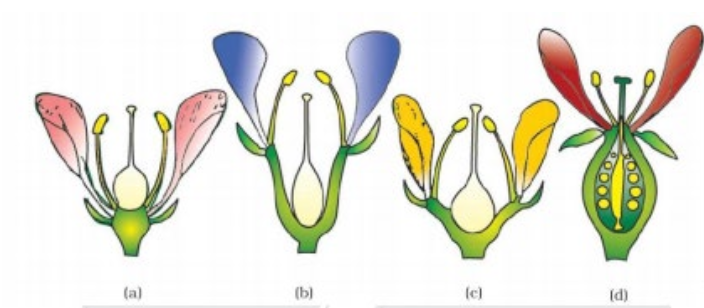
a-Mustard, b-Rose, c-Plum, d-Guava
a-Cucumber, b-Plum, c-Rose, d-Brinjal
a-China rose, b-Guava, c-Rose, d-Mustard
a-Mustard, b-Rose, c-Plum, d-Brinjal
Correct Answer
Detailed Explanation
In option A, the arrangement of floral parts corresponds accurately to the definitions of hypogynous (Mustard), perigynous (Rose), and epigynous (Plum) flowers. Hypogynous flowers have the ovary positioned above the other floral parts, perigynous flowers have the ovary at the same level as the other parts, and epigynous flowers have the ovary below the other floral parts. Other options misassign these floral structures; for instance, option B incorrectly places Rose as epigynous, which does not align with its true perigynous nature. Understanding these classifications is crucial for recognizing the reproductive structures in angiosperms.
Found an issue with this question?